Grandpa Got a Rolex at Retirement from Convair: Does That Affect Its Value?
If your grandfather received a Rolex when he retired from Convair, that history may matter—but it does not automatically set the watch’s value. The watch’s condition, exact identity, originality, and supporting documentation usually matter more to a buyer than the story alone. Still, a well-supported provenance story can add context, make the watch more meaningful to your family, and sometimes help it stand out in a sale.
The first thing I would want to know is what the retirement gift actually was: Was the watch presented by Convair, bought by your grandfather around the time he retired, or simply worn during his years Click here to find out more there? Those are different claims, and they call for different evidence. I would also ask where the watch has been stored— in a dresser, a safe, a Ziploc bag, or somewhere else—because storage can affect condition and the next steps for inspection.
This guide explains how to assess an inherited Rolex connected to Convair without guessing at a model, reference number, or dollar amount. No specific Rolex model names, reference numbers, or dollar prices are provided here, so none should be inferred. Identification requires examining the actual watch and any accompanying records.
Does a Convair Retirement Gift Affect Rolex Value?
It can, but the effect depends on how credible and relevant the history is. A story that can be tied to the original owner and the watch—through a presentation inscription, dated photograph, retirement paperwork, family records, or a consistent chain of ownership—is more persuasive than a story passed along without supporting detail.
Even then, provenance is not a substitute for the watch itself. A buyer will still want to know what Rolex made it, whether its parts are correct, what condition it is in, and whether it runs. A compelling account of a retirement gift does not turn a heavily altered or damaged watch into an original example. Nor does a lack of documentation prove that the family story is false.
Think of the Convair connection as a possible layer of interest, not a guaranteed premium. It may be especially meaningful to family members or to a buyer who appreciates the history of the company and its employees. But the strength of that interest is difficult to predict before the watch is identified and the story is documented.

What Can Support the Provenance Story?
Gather the materials before cleaning, repairing, or polishing anything. Useful items may include:
- A retirement presentation letter, award, or other original company document.
- Family photographs that show the watch or the occasion it was presented.
- Receipts, service records, insurance documents, or estate records that connect the watch to your grandfather.
- A personal inscription or engraving, photographed clearly and left untouched.
- Written recollections from relatives who knew when and how he received the watch.
Keep original items together, but do not attach anything to the watch or try to improve an inscription. A scratched or engraved case can affect buyer interest, but removing an engraving can also remove evidence of the watch’s history. Let an experienced evaluator consider both the physical watch and the story before making changes.
Why Home Authenticity Tests Are Not Enough
Online advice often makes authentication sound like a quick checklist: listen to the movement, inspect the logo, test the water resistance, or compare the weight with a number found on a forum. Those checks are not enough to authenticate a Rolex. Counterfeit watches can imitate visible details, and genuine watches can have replacement parts, service components, or alterations that complicate the picture.
A watch that ticks is not necessarily genuine, original, or in good mechanical condition. A watch that has stopped is not necessarily fake. And a caseback that looks convincing in a phone photo does not settle the question. Proper evaluation may require checking the movement, case construction, dial, hands, bracelet, markings, and how those components fit together for the watch’s era.
Do not open the case at home to look for a movement. The wrong tool or technique can damage the case, scratch the back, or compromise seals. Do not put an inherited watch in water to see whether it is waterproof. Water resistance changes with age, wear, prior repairs, and the condition of seals; a casual water test can cause expensive damage.
A Rolex authentication opinion should come from examining the actual watch, not from a single feature or a photograph alone. A qualified watchmaker or reputable specialist can assess whether the watch appears genuine and whether its components are consistent. Authentication and valuation are related, but they are not the same: a genuine watch can be incomplete, altered, or in need of costly service.
Modern and Vintage Rolex Identification Pitfalls
One of the most common sources of confusion is assuming that a Rolex should look exactly like a current catalog watch. Older watches can differ in typography, dial details, lume, bracelet construction, and case proportions from modern examples. A feature that looks unusual to someone unfamiliar with the period is not, by itself, proof that the watch is counterfeit.
The reverse mistake is also common: assuming that age makes every unusual detail desirable or original. Dials can be refinished or replaced. Hands, bezels, crowns, bracelets, and other components may have been changed during a repair. Some replacement parts may be appropriate service parts; others may reduce collector interest. Whether a component is correct depends on the particular watch and its production period.
Condition Is More Than “Looks Good”
Collectors and dealers look closely at the case edges, metal loss, deep scratches, corrosion, dial condition, and signs of past polishing. Polishing can soften the original case shape and wear away metal. That is why I advise families not to polish an inherited Rolex before an appraisal, even if the watch looks dull or scratched. An honest inspection of its present condition is more useful than a shine that may obscure evidence.
Mechanical condition matters too. A watch may run but keep poor time, have a damaged component, or need service. Conversely, a watch that has not run for years may be repairable. Do not wind or force a watch that feels stuck. Ask a professional to evaluate it before deciding whether service makes financial sense.
Reference and Serial Numbers: What They Unlock
Reference and serial numbers help narrow down a Rolex’s identity and production history. They can guide a specialist toward the relevant case configuration, approximate period, and expected components. They also make it easier to compare the watch with reliable records and to spot inconsistencies that deserve further investigation.
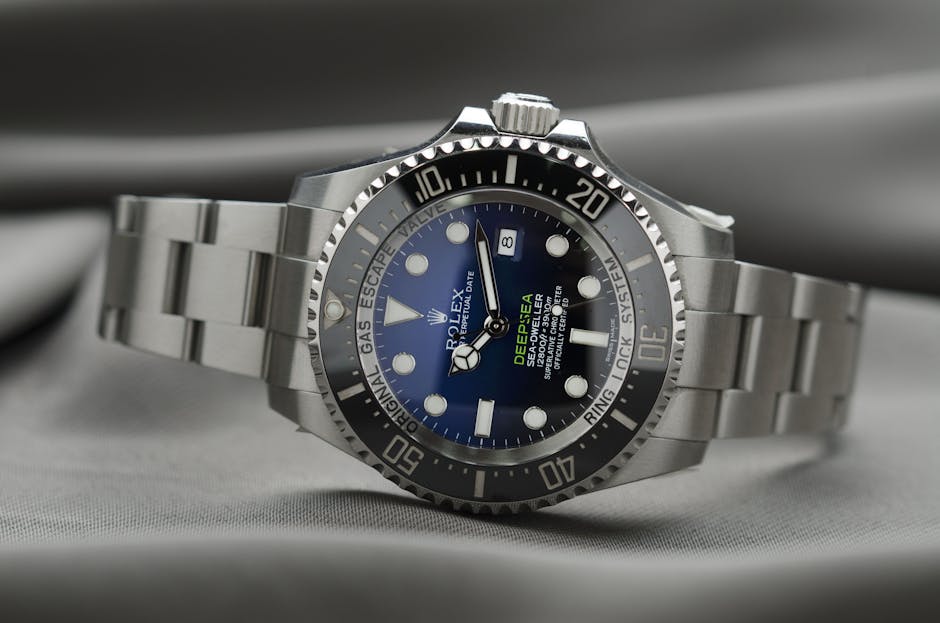
These numbers are not a complete authentication by themselves. A number can be misread, copied, altered, or associated with a watch that has since received parts from different periods. The number must be considered alongside the movement, case, dial, hands, bracelet, and other details. For older watches, access to identifying marks may also depend on the construction of the case, so do not try to remove the bracelet or open the watch without the right tools and experience.
Once identified, the reference and serial information can help unlock more useful answers: whether the watch’s visible features are plausible for its era, what parts may be original, what documentation to seek, and which comparable sales are relevant. Without that identification, asking for a precise value is premature. A broad guess based only on “it is a Rolex” can be misleading.
Box and Papers: Helpful, but Not a Magic Value Button
“Papers” can mean different things, so be specific about what you have. On newer watches, the warranty card is credit-card-sized. Older watches may have paper certificates. Owners sometimes use “papers” to refer to a receipt, service document, booklet, warranty document, or a collection of materials. Each item has a different purpose and evidentiary value.
A box, warranty card, older paper certificate, receipt, and service record may help establish a watch’s history or make it more appealing to some buyers. The documents are most useful when their details are consistent with the watch and the ownership story. A box alone does not authenticate a watch, and documents should not be assumed genuine or matched without checking them against the watch.
Box and papers can support marketability, but they do not repair the movement, restore an over-polished case, or prove that every component is original. Their influence varies with the watch and the buyer. A genuine Rolex without its original box or papers is not automatically worthless. Many inherited watches have been separated from their packaging and documents over decades.
Item What it may help establish What it does not establish on its own Warranty card or older paper certificate Information recorded when the watch was originally sold or documented That the document belongs to this watch or that the watch remains unchanged Box That original or period packaging may have been preserved Authenticity, mechanical condition, or a matching watch Service records or receipts Past service, ownership, or a timeline when details are clear That all current parts are original or that the watch needs no further work Family photographs and retirement records Context for the Convair retirement story and family ownership A complete technical identification or formal authenticationHow to Handle an Inherited Rolex Before an Evaluation
- Keep everything together. Set aside the watch, box, warranty card, older paper certificates, receipts, service papers, and any Convair-related records.
- Document the condition. Take clear photographs of the front, sides, back, bracelet, clasp, and any engraving. Avoid removing parts or trying to expose hidden markings yourself.
- Write down what the family knows. Record who owned it, when it may have been received, where it was kept, and any known service or repair history. Mark uncertain details as uncertain rather than presenting them as confirmed.
- Do not polish, clean aggressively, or test it in water. A soft, dry cloth is enough to remove loose dust from the outside. Leave deeper cleaning and mechanical work to professionals.
- Request an in-person examination. Ask what the evaluator can determine about authenticity, components, condition, service needs, and identification—and what remains uncertain.
If the watch has been sitting in a Ziploc bag, a coffee can, or a dresser drawer, mention that. Storage does not authenticate or disqualify a watch, but it can offer useful context about exposure to moisture, dust, or impact. A watch stored in a dry place may still have deteriorated seals or dried lubricants; a watch stored poorly may still be authentic and worth evaluating.
Getting a Useful Value Opinion
Once the watch has been identified, ask for an explanation of the factors behind any valuation: originality, condition, completeness, mechanical status, and the kind of transaction being discussed. A dealer’s purchase offer, an auction estimate, an insurance value, and a private-sale expectation are not interchangeable. Ask what the figure represents and whether service or selling costs are included.
Diamond Banc and other jewelry buyers may offer evaluations or purchase options, but compare the scope of the service and the proposed transaction. A buyer’s offer reflects what that buyer is prepared to pay under their terms; it is not automatically the same as an independent appraisal. For broader local context, the San Diego https://stateofseo.com/i-found-a-rolex-in-a-coffee-can-in-the-garage-what-should-i-do-first/ Reader may be a useful source of San Diego-area stories and consumer information, but a publication is not a substitute for examining the watch.
When speaking with an evaluator, bring the provenance story and supporting records, but keep the technical questions separate: What is the watch? Does it appear authentic? Are its components consistent? What is its condition? What evidence supports the valuation? Clear answers to those questions are more useful than a single number detached from its assumptions.
The Bottom Line
A Rolex given for a Convair retirement can have real sentimental significance and a provenance story worth preserving. That history may add interest if it is credible and supported, but the watch’s identity, originality, condition, and documentation remain central to resale value. Start by collecting the records, identifying the reference and serial information through a qualified examination, and resisting the urge to polish or test the watch at home.
And remember: no box or papers does not mean no value. It means an evaluator will need to assess the watch itself and weigh whatever evidence the family can provide. The right first question is not “How much is Grandpa’s Rolex worth?” It is “What exactly is this watch, what can we verify about its history, and what condition is it in?”