If I Take a Collateral Loan, Do I Lose My Rolex if I Miss Payments?
Short answer: You could lose your Rolex if you take a loan secured by the watch and default—but missing one payment does not always mean the lender can immediately take and sell it. What happens depends on your loan agreement, the laws that apply, and miamiweekly.com whether you catch up during any notice or cure period. Read the repayment terms before you hand over the watch, and make sure you have a realistic plan for paying the loan back.
A collateral loan can be useful when you need cash but do not want to sell an asset outright. It can also be risky: the watch is not just something the lender considers when deciding whether to approve you. It is security for the debt. If you cannot repay according to the agreement, collateral forfeiture may be the consequence.
That risk matters especially after a hurricane or other emergency. In Florida, a homeowner may face a large deductible and urgent repair costs at the same time that banks, contractors, and insurers are dealing with a surge in demand. A watch loan may provide liquidity, but it is important to understand both the cost of borrowing and what you stand to lose.
How a watch-backed collateral loan works
In a collateral loan, you borrow money and pledge an asset—in this case, your watch—as security. Depending on the lender and the arrangement, the lender may take physical possession of the watch while the loan is outstanding. You receive the agreed loan proceeds, then make payments under the contract. If you satisfy the loan, the watch is returned to you.
Companies such as Diamond Banc offer loans secured by valuables, including luxury watches. That does not mean every lender uses the same process or terms. Before signing, confirm whether the watch will be stored by the lender, how it will be insured while in custody, what fees apply, and exactly what happens if you are late or cannot pay.
A collateral loan is different from selling your Rolex. In a sale, ownership changes hands and you generally receive the sale proceeds, with no obligation to repay a loan. In a collateral loan, you keep an opportunity to reclaim the watch by repaying the debt—but you also take on a repayment obligation and the risk that the lender will enforce its rights if you default.
What happens if you miss payments?
There is no single rule that applies to every watch loan. Your contract should explain what counts as default, when the lender may act, and whether you have time to fix the problem. A missed payment might trigger a late fee or notice. Anyway,. Continued nonpayment leads to additional charges, a demand for repayment, or the lender’s sale of the collateral, subject to the agreement and applicable law.
You ever wonder why do not assume a grace period exists just because another lender offers one. Do not assume the lender has to wait a certain number of days before taking action unless your contract or applicable law says so. If you think you may miss a payment, contact the lender early, ask what options are available, and get any revised arrangement in writing.
Questions to ask before pledging the watch
- What is the payment due date, and is there a grace period?
- What fees or interest can accrue if I pay late?
- What steps does the lender take before selling the watch?
- How much time, if any, do I have to cure a default?
- If the watch is sold, how are sale costs and the outstanding balance handled?
- Will I owe any remaining balance if the sale proceeds do not cover the debt?
- How is the watch stored, documented, and insured while the lender holds it?
- Can I repay early, and are there prepayment fees?
The answers should come from your actual contract, not a general description of collateral lending. If the loan is substantial or the agreement is hard to understand, consider having a qualified attorney review it before signing.
Why hurricane deductibles can create a cash crunch in Florida
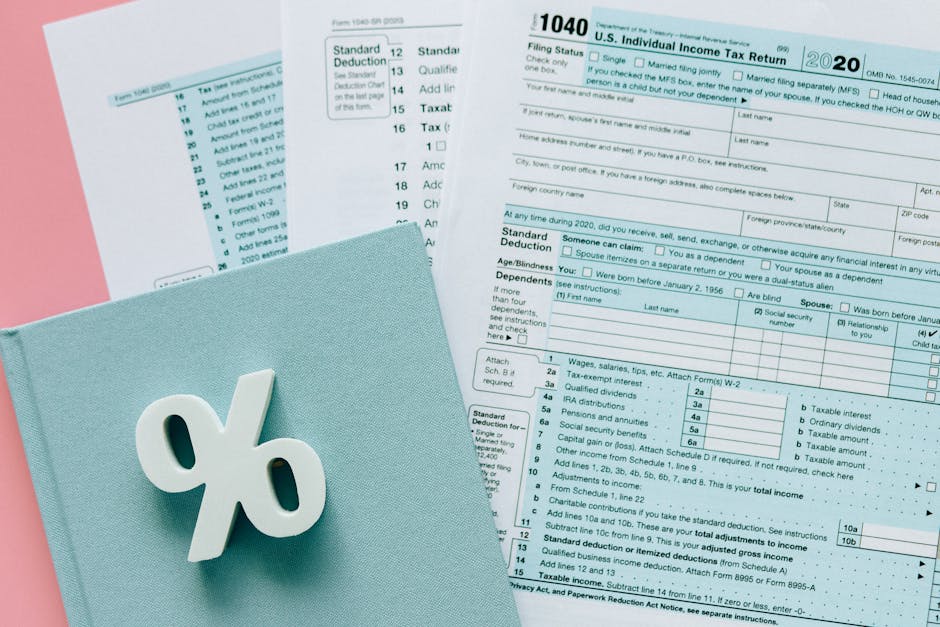
Florida homeowners often have a hurricane deductible stated as a percentage of the home’s insured value rather than as a small flat dollar amount. Common hurricane deductible options: 2%, 5%, 10%. The percentage and the base used to calculate it depend on the policy. Check your declarations page and policy wording rather than relying on a neighbor’s experience or a general rule of thumb.
Here is a simplified example. Suppose a home is insured for $500,000 and the policy’s hurricane deductible is 5% of that amount. The deductible would be $25,000. If the deductible is 2%, it would be $10,000; at 10%, it would be $50,000. This is only an illustration—the amount you owe depends on your policy’s calculation, the type of damage, and how the claim is adjusted.
Illustrative insured amount Deductible option Illustrative deductible $500,000 2% $10,000 $500,000 5% $25,000 $500,000 10% $50,000That deductible math can create a five-figure cash gap before you even account for uncovered damage, temporary housing, debris removal, or costs that must be paid before reimbursement arrives. A homeowner may need funds quickly to prevent further damage or start repairs, while the insurance claim is still being documented and reviewed.
Why borrowing can be harder after a storm
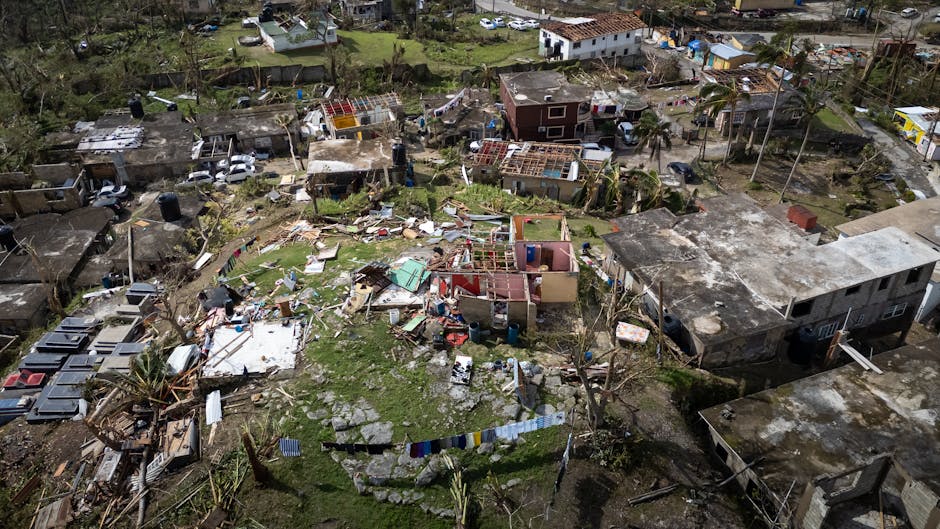
After a major storm, the need for money can rise precisely when access to it gets more difficult. Banks may be processing a flood of customer requests, verifying damage, or changing their lending processes in affected areas. Contractors may require deposits, and reputable repair crews can be booked out or charging more because labor and materials are in high demand.
A HELOC or new credit application may not be an immediate solution. A lender may need updated property information, an appraisal, income documentation, or time to review the application. In some circumstances, lenders may pause or limit new lending in an affected area. Do not count on a home equity line of credit being approved or available on your preferred timeline after a disaster.
This is where some owners consider borrowing against an asset they already have. A collateral loan may be quicker than arranging new credit, but speed does not make it inexpensive or risk-free. If the loan repayment schedule depends on an insurance payment that has not been approved, or a contractor reimbursement that may be delayed, you could be left with a bill before the expected money arrives.
How much could your Rolex support as collateral?
The amount a lender may offer is not necessarily the watch’s retail price, the price you originally paid, or the highest online asking price. Lenders generally assess the specific watch’s model, condition, authenticity, completeness, and resale prospects, among other factors. The loan amount may also reflect a margin intended to protect the lender if the watch must be sold.
Secondary market pricing trackers, such as WatchCharts, can help you understand broad market trends and compare reported prices. They are research tools—not a guaranteed appraisal or a promise that you can sell your particular watch for a displayed figure. Condition, bracelet links, box and papers, service history, location, and the difference between asking and completed-sale prices can all matter.
Use more than one source to form a reasonable estimate, and ask the lender how it valued the watch. Keep photos, serial-number documentation, receipts, and service records. Before handing it over, record its condition and any identifying details, and obtain a written receipt that describes the watch and its accessories.
Compare the loan with other ways to cover the gap
Before using your Rolex as security, compare the total cost and timing of alternatives. Depending on your situation, those might include savings, an insurer’s available payment options, a contractor payment plan, a personal loan, or existing credit. A financial adviser at a firm such as Morgan Stanley may be able to discuss broader financial planning or eligible securities-based lending for some clients, but that is not the same as a watch loan, and availability, risks, and terms depend on the client and product. Do not assume an adviser can arrange emergency funds on the timeline you need.
Evaluate alternatives using the same questions: How much money will you actually receive? What is the total repayment amount? When are payments due? What happens if income is disrupted? What asset, if any, is at risk? A lower monthly payment can still mean a higher total cost if the loan lasts longer or carries additional fees.
A practical way to decide
- Calculate the actual cash need. Review the policy, contractor estimates, and near-term living expenses. Separate urgent expenses from costs that can wait.
- Check the expected timing of incoming funds. Treat an insurance payment, reimbursement, or pending credit application as uncertain until it is approved and available.
- Get the loan terms in writing. Review the interest rate, fees, payment dates, default provisions, cure rights, storage and insurance arrangements, and sale process.
- Stress-test repayment. Ask whether you can make each payment if the insurance claim takes longer than expected or your work is interrupted.
- Borrow only what you need. A larger loan can mean more interest and more time at risk of losing the collateral.
- Keep communication open. If trouble arises, contact the lender before the payment is missed. A possible extension or modification is not guaranteed, so get any agreement in writing.
Bottom line: Could you lose your Rolex?
Yes. If you pledge your Rolex for a collateral loan and default, the lender may have the right to take steps to sell it, depending on your agreement and applicable law. A missed payment does not automatically mean immediate loss in every case, but you should never borrow on the assumption that the watch is safe regardless of what happens.
In Florida, a percentage-based hurricane deductible can turn a storm claim into a substantial out-of-pocket expense. A watch-backed loan may help bridge a short-term gap when HELOCs or new credit are slow or paused, but only if the repayment plan is credible. The central question is not just how much you can borrow. It is whether you can repay on time without relying on money that may arrive late—and whether you are prepared for the consequences if you cannot.
This article is general educational information, not legal, tax, insurance, or financial advice. Loan rights and insurance coverage depend on the specific contract and applicable law. Review your policy and loan documents and consult appropriate professionals for advice about your circumstances.