Why Not Just Use a High-Limit Credit Card During Slow Season?
A high-limit credit card can feel like a clean solution to a messy month. A client pays late, a production gets pushed, or a few gigs disappear from the calendar—and the card is there, ready to cover rent, travel, gear, or payroll. No bank appointment. No explanation of why last month looked great and this one looks thin.
But a credit limit is not the same thing as affordable cash. If you carry a balance, the interest meter keeps running whether the next invoice arrives on time or not. For creatives with irregular income, that timing matters as much as the rate. The better question isn’t “Can I put this on a card?” It’s “What will this money cost, and what is my realistic plan to pay it back?”
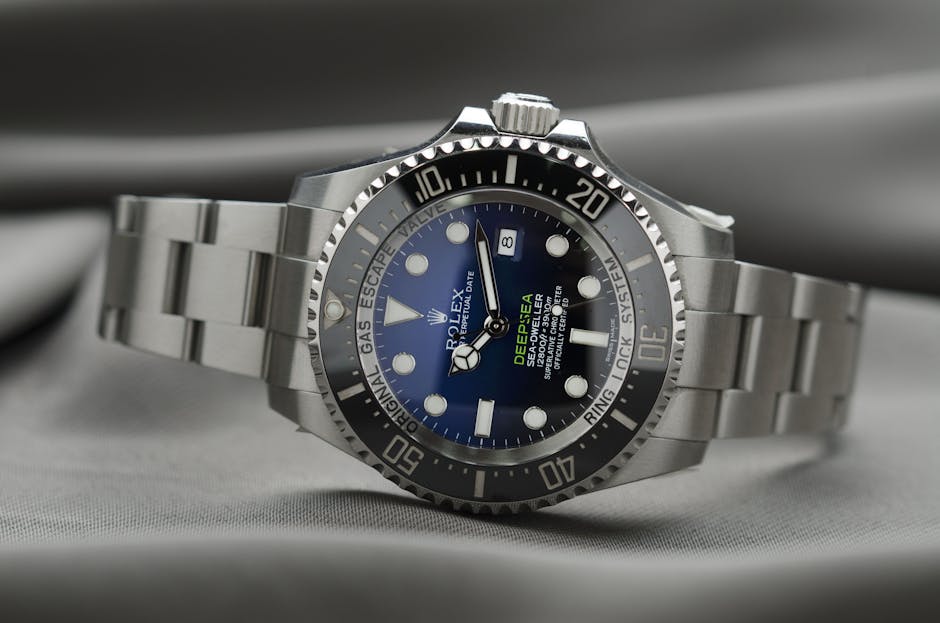
There may be other ways to arrange short-term liquidity, including borrowing against an eligible asset. For some owners, a Rolex or other valuable watch may be part of that conversation. That does not make a watch a guaranteed cash equivalent, and it does not make asset-backed lending right for everyone. It does mean a credit card shouldn’t be the automatic default.
Playbook: Compare the Card With the Cash Gap
Step 1: Name the problem you’re trying to cover
Start with the timing gap—not the credit limit. Write down the bill, its due date, the amount, and the expected date of the income that will cover it. A $4,000 gap for three weeks is a different problem from a $4,000 monthly shortfall with no confirmed work on the calendar.
Freelancers don’t get the tidy paycheck pattern lenders like to see. A director may collect a large production fee, then wait weeks for the final payment. A stylist might have several strong months followed by a quiet stretch. A musician can be booked solid and still wait on an agency, venue, or client to clear the invoice. The money may be earned, but it may not be in the account when the rent, insurance, or crew payment is due.
That is the irregular-income reality: the problem is often not annual income alone, but when cash arrives. A plan that assumes every client pays on schedule is a plan built for somebody else.
Step 2: Understand what the card will actually cost
With high-interest credit cards, the cost of carrying balance can turn a temporary bridge into an expensive habit. Check the card’s annual percentage rate (APR), when interest starts, whether a promotional rate expires, and whether new purchases are treated differently from transferred balances. A cash advance can be especially costly: it may carry a separate fee and begin accruing interest immediately.
Question Why it matters What is the APR? It determines the interest charged on a balance that is not paid off. When will the payment arrive? A late client check can extend the borrowing period and increase the cost. What is the minimum payment? Paying only the minimum can leave the balance—and interest—hanging around. Are there fees or promotional terms? Cash-advance fees, transfer fees, and teaser-rate expiration dates can change the math.For a simple illustration, say you put $5,000 on a card at a 24% APR and carry it for three months. Using a rough monthly-rate estimate, interest would be about $300 before fees and compounding effects. The actual amount depends on the card terms, daily balance, and payment timing. If the client payment slips another month, the cost grows. That’s the part people miss when they focus only on the credit limit.
A card can still be a sensible tool when you can pay the statement balance in full by the due date, or when a clearly defined promotion makes the total cost competitive and you have a payoff plan. The bad default is treating available credit as income—especially when the repayment depends on an invoice with no firm payment date.
Why Banks Like Predictable Income
Traditional lenders generally want evidence that a borrower can make payments over time. Predictable wages, regular deposits, tax returns, and a stable debt-payment history are easier to assess than income that arrives in uneven bursts. That preference is about underwriting: a lender is trying to estimate the chance that payments will show up when due.
It doesn’t mean a freelancer is automatically a bad borrower. It does mean the paperwork may need to tell a fuller story. Bank statements, signed contracts, invoices, tax returns, and a record of reserves can help show how work and cash flow actually function. A lender such as Morgan Stanley may evaluate clients and credit products according to its own eligibility requirements; no institution should be assumed to approve a loan just because a borrower has a strong year or a valuable asset.
And timing can be awkward. A bank application may require documents, review, and approval before any money is available. If a crew needs to be paid Friday, a financing option that takes weeks may not solve Friday’s problem. Ask about processing time before building a plan around the funds.
Playbook: Consider Asset-Backed Lending Carefully
Step 3: Ask whether an asset could support the loan
Asset-backed lending generally means a borrower pledges an eligible asset as collateral for a loan. The lender assesses the asset, decides what it is willing to lend against it, and sets terms such as the amount, interest, fees, and repayment schedule. The loan is still debt. If the borrower doesn’t repay under the agreement, the lender may have the right to take possession of the collateral and sell it, subject to the contract and applicable law.
For a jewelry or watch loan, the process can include confirming the item’s identity and condition, reviewing documentation, and estimating its current market value. A company such as Diamond Banc may be one option to research in this category. Before proceeding with any lender, read the specific agreement, confirm who holds the item and how it is insured, and ask what happens if a payment is missed or you want to repay early.
Step 4: Treat a Rolex as valuable—not as cash in the bank
A Rolex can be a liquid luxury asset relative to many collectibles: there is an established resale market, and some widely traded thelosangelestribune.com models can attract buyers. But “liquid” does not mean instant, guaranteed, or equal to the watch’s original retail price. Model, reference, condition, completeness, service history, provenance, and market demand can all affect what a buyer or lender will pay.
For a sense of how closely the market can move, consider this example: Rolex secondary-market prices rising 1.7% in Q1 2026. That figure is a snapshot, not a promise that every model rose by that amount—or that prices will keep rising. A broad market trend cannot tell you what your specific watch is worth today, how quickly it can be sold, or what amount a lender may advance against it.
Tools that provide global secondary market pricing visibility can help owners understand how comparable watches are being priced across markets. An authentication and valuation process can help establish what the item is and assess relevant details. These are useful inputs, not guarantees of a particular loan offer or resale price. Confirm how recent the comparison data is, what sales or listings it reflects, and whether the estimate accounts for your watch’s condition and completeness.
For Los Angeles owners, a locally available in-person assessment may be more practical than guessing from online listings. A watch displayed on N. Camden Drive in Beverly Hills may have a retail price that says little about the amount a lender will advance or a buyer will pay. Retail, secondary-market, and collateral values are different numbers.
Step 5: Compare the total cost and the downside
Before borrowing against a watch, compare the written terms with the card you were about to use. Look beyond the headline rate. Include origination or appraisal fees, storage or insurance terms, minimum payments, due dates, late charges, early repayment rules, and the consequences of default. Ask how the lender calculates the loan amount and whether you can get the item back as soon as the balance is cleared.
- Credit card: You keep the watch, but carrying a high-interest balance can become costly.
- Asset-backed loan: You may access funds without selling the watch, but the asset is at risk if you fail to meet the agreement.
- Sale: You may avoid repayment and interest, but you give up the asset and may not get the price you hoped for.
- Payment arrangement: A client, landlord, vendor, or service provider may agree to different timing, though there is no guarantee they will.
There is no universal winner. If the amount is small and the card can be paid in full when the next confirmed payment arrives, a card may be simpler. If the gap will last longer, compare the cost of carrying balance with the full cost and risks of a secured loan. If the next income source is uncertain, borrowing against a treasured asset may only move the problem down the road.
Build a Slow-Season Plan Before the Slow Season
Step 6: Set a borrowing rule you can use under pressure
Busy creatives often make money decisions between a client call and a load-in. Make the rule before the emergency. For example: don’t borrow for a recurring expense unless you can name the repayment source; don’t rely on an unsigned project; and don’t use a card’s limit as your estimate of what you can afford.
- Map your next 60 to 90 days. List confirmed invoices, realistic payment dates, fixed bills, taxes, and planned production costs.
- Separate confirmed money from hoped-for money. A signed contract is stronger evidence than a promising conversation, but even a contract may not guarantee on-time payment.
- Price each option in dollars. Compare interest, fees, and likely time outstanding—not just the advertised APR or available credit.
- Protect essential working assets. Consider whether pledging a watch creates a personal or professional risk you are not willing to take.
- Get the terms in writing. If a lender, client, or vendor offers a solution, understand the payment schedule and consequences before agreeing.
For additional reporting on business and entrepreneurship, readers may see coverage from The Los Angeles Tribune, but use the original lender documents—not a headline or a general article—to make a borrowing decision. Terms vary by lender, borrower, and asset, and a financial or legal professional can help review a transaction when the stakes warrant it.
The Bottom Line
A high-limit card is convenient, but convenience can hide the cost of carrying balance. For creatives living between project deposits and late checks, the right tool depends on how long the cash gap will last, what repayment is truly likely, and what you are putting at risk.
Use the playbook: define the gap, calculate the card cost, compare any asset-backed offer line by line, and make a repayment plan that does not depend on perfect timing. A Rolex may be a useful source of short-term liquidity for some owners, but it is not a guaranteed cash machine. The aim is not to borrow the most you can. It is to get through slow season without turning one late invoice into a much bigger bill.
